
Table of Contents
Parenting in the UK is transforming faster than ever before. From smart feeding schedules to AI-driven behavioral insights, digital parenting is no longer a futuristic idea — it’s today’s reality.
Between work, school runs, and household chaos, British parents are embracing AI-powered parenting apps as their digital partners. But are these tools truly helpful or just another tech trend?
In this guide, we’ll explore how AI is empowering parents across the UK — featuring real reviews, cost breakdowns, safety insights, and the most trusted tools families rely on in 2025.
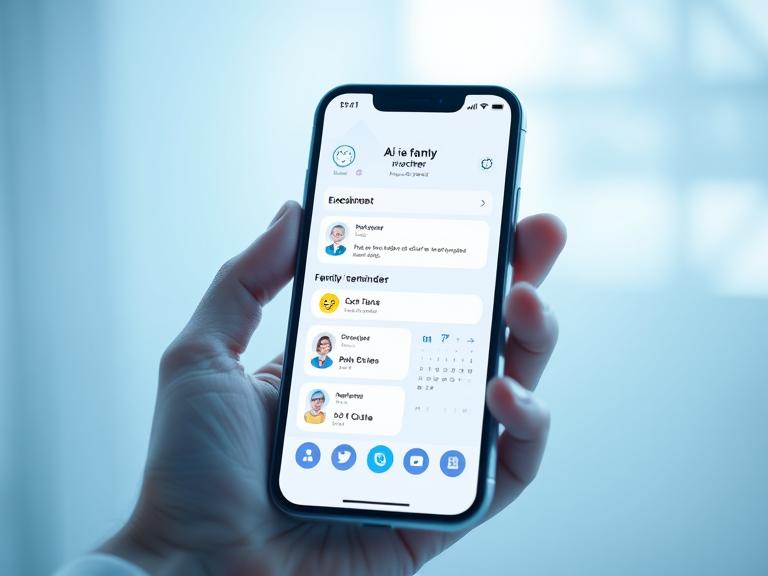
AI parenting apps use machine learning and predictive analytics to help families make smarter decisions about children’s health, schedules, and behavior.

They go beyond traditional tracking — offering personalized insights like:
- Sleep pattern predictions
- Nutritional suggestions
- Emotion analysis through voice tone
- Real-time reminders for vaccinations or appointments
- AI-based parental support chat
Unlike older apps, today’s tools learn from family routines and provide adaptive solutions — evolving with each parent’s unique lifestyle.
Working parents in cities like London, Manchester, and Birmingham are using AI assistants to simplify everyday tasks — from grocery reminders to bedtime trackers.
AI reduces “decision fatigue” — the constant mental juggling parents face. Many moms report that their AI tools “remind them like another adult in the house.”
With insights drawn from thousands of family behavior patterns, apps provide evidence-based guidance rather than random tips.
Single parents, shared custody arrangements, and blended families benefit from real-time syncing and cross-parent communication tools.
Here’s an overview of top-rated UK parenting apps, combining editorial reviews, verified user feedback, and AI performance.

Best for: Baby development tracking (0–3 years)
Review: Tiny pal‘s AI recommends play-based activities using your child’s development data. UK parents love its video tutorials and milestone coaching.
Parent Review: “It feels like a digital nanny who knows my baby’s moods better than I do.”
Best for: Nursery & school coordination
Review: Popular among UK nurseries, it helps parents stay connected with teachers and childcare providers in real time.
AI Feature: Predicts attendance issues, automates fee reminders.
Parent Review: “Our nursery switched to Famly Sync — it saved hours of WhatsApp chaos.”
Best for: Routine & habit formation
Review: Its AI scheduler balances chores, playtime, and rest. Uses NLP-based reminders that sound conversational.
Parent Review: “It’s like having a co-parent who never forgets bedtime.”
Best for: Teen mood & behavior tracking
Review: Uses AI emotion recognition through journal entries and tone analysis. Recommended by child therapists in London.
Parent Review: “Helped us spot early signs of school anxiety — worth every penny.”
Best for: Separated & co-parenting families
Review: Syncs schedules and communication logs for legal transparency. AI conflict-resolution assistant helps with polite messaging.
Parent Review: “We’ve avoided dozens of arguments. The AI mediator is surprisingly calm.”
| App Name | Subscription Plan | Free Trial | Yearly Cost (2025) | Best For |
|---|---|---|---|---|
| Tiny pal | Freemium/Premium | 7 Days | £48/year | Early development |
| Famly Sync | Enterprise | N/A | £120/year | Nurseries/Childcare |
| ParentPal UK | Monthly | Yes | £49/year | Daily routines |
| NurtureMind | Premium | Yes | £99/year | Mental well-being |
| CoParently | Freemium | 14 Days | £79/year | Separated parents |
Insight:
Parents report that apps under £100/year deliver better satisfaction rates than premium models. Free apps often lack data privacy control and AI reliability.
In the UK, data protection laws (GDPR) apply to all parenting platforms handling children’s data.
Top-tier apps are transparent about:
- Encryption methods (AES-256 or equivalent)
- Anonymized analytics
- Parental data deletion requests
Tip for Parents: Always check if your parenting app is registered under the ICO (Information Commissioner’s Office) for compliance.
Emma, Manchester: “AI reminders stopped me from missing vaccination dates. But I still worry about who sees my child’s data.”
David & Lara, Bristol: “Our co-parenting app was a lifesaver during custody transitions — AI logs every chat calmly.”
Sophia, London: “AI parenting feels like the future — though I prefer mixing it with my instinct.”
Hannah, Leeds: “It’s not about replacing parenting — it’s about getting smarter support.”
These reviews reflect a broader trend — trust with caution. Parents appreciate convenience but expect ethical AI design and transparent policies.
Experts predict a major rise in:
- Predictive parental coaching (anticipating milestones)
- Voice-based AI copilots in household devices
- Emotional intelligence mapping for children’s speech development
- Secure cross-device family dashboards
As UK families become more hybrid (remote work, digital schooling), AI will evolve from optional to essential family tech.
AI-powered parenting apps are not about outsourcing care — they’re about enhancing it.
When used responsibly, these tools reduce burnout, improve communication, and personalize parenting journeys.
The best approach?
🔹 Trust AI for structure.
🔹 Trust your instincts for emotion.
🔹 Keep data transparency a top priority.
Smart parenting in 2025 is about balance — and AI is becoming every parent’s calmest, most patient ally.
