

Table of Contents
Chronic pain is a silent epidemic in India. According to recent health surveys, nearly 20% of the Indian adult population suffers from some form of persistent pain—be it chronic back pain, crippling migraines, or debilitating knee arthritis. For years, the standard “solution” was binary: pop painkillers for the rest of your life, or undergo risky, invasive surgery.
But medicine has evolved. Today, there is a third, superior path: Interventional Pain Management.
If you are searching for the “Best hospital for pain management procedures in India,” you are likely looking for answers that go beyond basic medication. You are looking for precision, safety, and a life free from suffering.
At Apollo Medical Centre, we have established a Centre of Excellence dedicated to diagnosing and treating complex pain conditions. Led by Dr. P. Purohithi, a verified Anesthesiologist and Pain Specialist with over 8 years of critical experience, we are redefining what is possible in non-surgical pain relief.
In this comprehensive guide, we will explore why India is becoming a global hub for pain management, the advanced technologies we use at Apollo, and why our patient-centric approach makes us the preferred destination for patients nationwide.
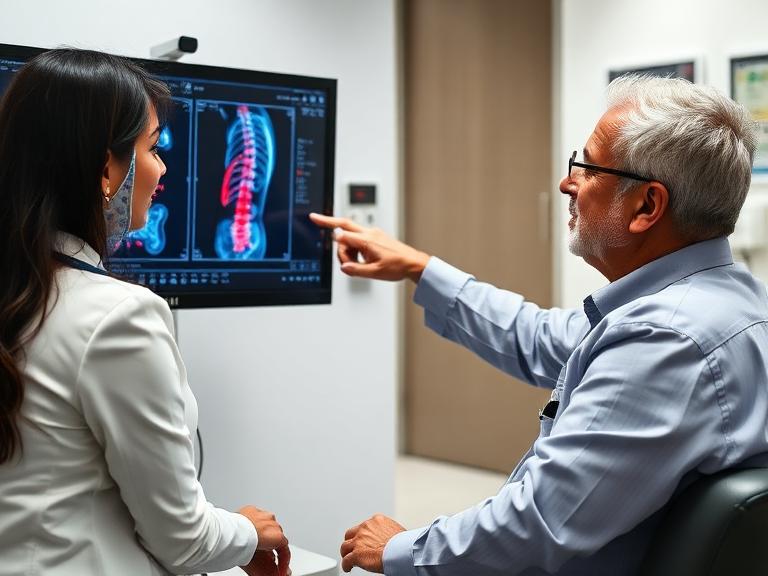
For decades, “Pain Management” in India was synonymous with “palliative care”—mostly focused on end-of-life comfort. However, the modern definition is radically different. Today, Pain Medicine is a distinct medical specialty focused on restoring function and curing the source of the pain, not just masking it.
The “old way” of treating pain involved a ladder of escalating medications:
- Paracetamol/NSAIDs (damaging to kidneys/stomach over time).
- Weak Opioids (risk of dependency).
- Strong Opioids (high addiction risk).
- Major Surgery (high cost, long recovery).
The Modern Apollo Approach:
We intervene before you reach the stage of surgery or opioid dependence. By using targeted interventions—placing potent anti-inflammatory medication or nerve-calming agents exactly where the pain originates—we can often resolve conditions that were previously thought to be “incurable” without surgery.
Dr. Purohithi’s Insight:
“Pain is not just a symptom; after three months, it becomes a disease of the nervous system. Our goal at Apollo isn’t just to lower your pain score; it is to reboot your nervous system so you can return to work, play with your children, and sleep soundly.”
When looking for the best hospital for pain management, the specialty of the doctor matters immensely. Dr. P. Purohithi is an MD in Anaesthesiology.
Why does this matter?
Anesthesiologists are the masters of the nervous system. No other specialist understands nerve pathways, drug pharmacology, and patient safety better.
- Expertise in Nerves: We spend our careers blocking pain sensation for major surgeries. We know exactly where every nerve lies.
- Drug Safety: We are experts in “Hemodynamic Stability”—keeping your heart and vitals stable while administering strong medications.
- Holistic View: Unlike a surgeon who looks for something to cut, an anesthesiologist looks for the functional cause of pain.
Apollo Medical Centre is synonymous with trust. We combine the agility of a specialized clinic with the safety protocols of a major hospital chain.
- Sterile Operation Theatres: All procedures are done in a strictly sterile environment to prevent infection.
- Advanced Monitoring: Continuous monitoring of heart rate, BP, and oxygen levels during every procedure.
- Emergency Backup: Full critical care backup is available, ensuring the highest safety standards—something smaller clinics cannot offer.
Many patients come to us after failed treatments elsewhere. Often, the failure wasn’t the treatment, but the diagnosis.
- Is it really “Sciatica,” or is it “Piriformis Syndrome”?
- Is it “Knee Arthritis,” or is it “Pes Anserine Bursitis”?
Dr. Purohithi specializes in Diagnostic Work-ups. We don’t just look at the MRI; we correlate it with your physical symptoms to ensure we treat the actual pain generator.
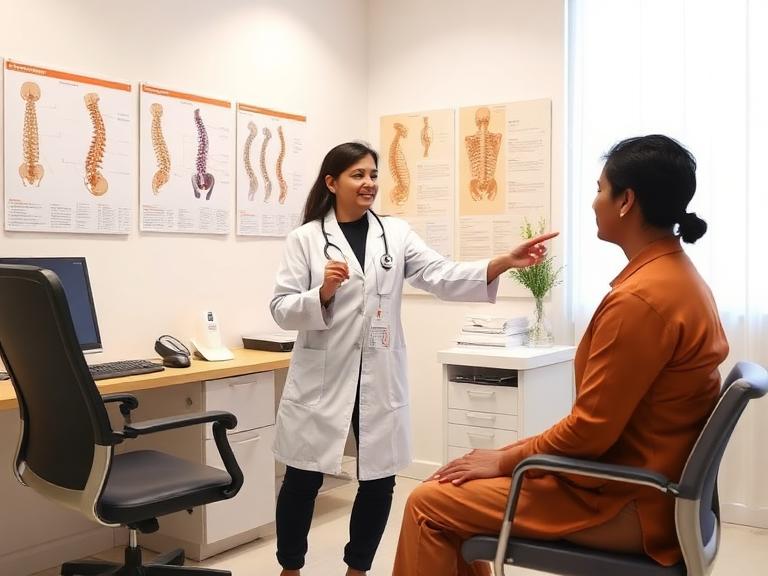
To be the best hospital for pain management procedures in India, one must utilize the best technology. We have moved beyond “blind” injections. At Apollo, we use Image-Guided Interventions.
This is our primary tool for soft tissue and peripheral nerve procedures.
- How it works: High-frequency sound waves create a real-time, 4K-quality image of your muscles, tendons, nerves, and blood vessels.
- The Benefit: Dr. Purohithi can see the needle tip entering the target area in real-time. This ensures 100% accuracy and zero damage to surrounding blood vessels.
- Used For: Frozen shoulder, nerve entrapments, tendonitis, and joint injections.
For deeper structures, specifically the spine, we use the C-Arm.
- How it works: A specialized X-ray machine rotates around the patient, giving us a skeletal view of the spine.
- The Benefit: It allows us to navigate needles safely into the epidural space or small facet joints of the spine with sub-millimeter precision.
- Used For: Epidural steroid injections, slip disc treatment, and facet joint blocks.
We offer a comprehensive spectrum of procedures. Here is a deep dive into our most sought-after treatments.
- The Condition: Sciatica, Herniated Disc (Slip Disc).
- The Procedure: Instead of flooding the whole spine with medicine, we target the specific “nerve root” that is compressed by the disc. This reduces inflammation instantly, shrinking the swollen nerve and relieving leg pain.
- Success Rate: Over 80% of patients avoid spine surgery with timely TFESI.
- The Condition: Severe Knee Osteoarthritis (especially for those who cannot or do not want knee replacement surgery).
- The Procedure: We target the three main sensory nerves (Genicular nerves) that transmit pain from the knee to the brain.
- Step 1 (Diagnostic Block): We numb the nerves. If pain stops, we know these nerves are the culprit.
- Step 2 (RFA): We use radio waves to gently heat and “deactivate” these nerves, providing relief for 6 months to 2 years.
- The Condition: Complex Regional Pain Syndrome (CRPS), Post-Herpetic Neuralgia (Shingles), and increasingly, Long COVID symptoms (loss of smell/taste, fatigue).
- The Procedure: A precise injection into a nerve cluster in the neck that regulates the “Fight or Flight” system. It “reboots” the autonomic nervous system.
- The Condition: Sports injuries, partial tendon tears, early arthritis.
- The Procedure: We take a small sample of your own blood, spin it to concentrate the healing platelets, and inject them back into the injured tissue. This stimulates natural tissue repair.
Why are patients across India switching to Interventional Pain Management?
| Feature | Spine Surgery | Interventional Pain Management (Apollo) |
| Invasiveness | High (Cutting, screws, rods) | Minimally Invasive (Needle-hole only) |
| Hospital Stay | 3-7 Days | Day Care (Home within 2-4 hours) |
| Anesthesia | General Anesthesia (Unconscious) | Local Anesthesia (Awake & Comfortable) |
| Recovery Time | Months of rehab | Immediate return to light activity |
| Cost | Very High | Affordable / Cost-Effective |
| Risk | Bleeding, infection, failure | Negligible (especially with Ultrasound) |
From the moment you walk into Apollo Medical Centre, your journey is curated for comfort.
- Consultation: A detailed 30-minute assessment with Dr. Purohithi. She listens to your history, examines your trigger points, and reviews your imaging.
- The Plan: A customized roadmap is created. This may include medication, physiotherapy, and a scheduled intervention.
- The Procedure: You are taken to our sterile procedure room. Monitors are attached. Local anesthesia makes the skin numb.
- The “Magic” Moment: Using Ultrasound or Fluoroscopy, the treatment is delivered. Most procedures take less than 20 minutes.
- Observation: You rest in our recovery suite for an hour while we monitor your vitals.
- Discharge: You walk out—often with significantly less pain than when you walked in.
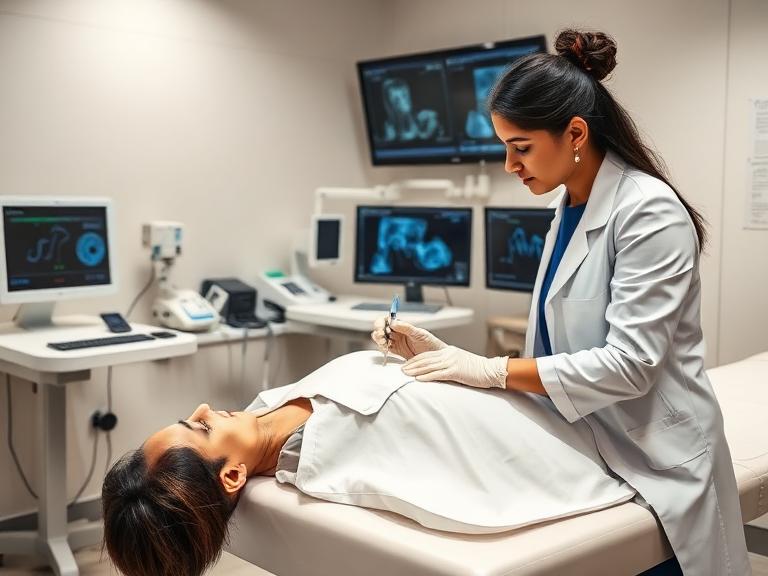
Medical Value Travel (Medical Tourism) is booming in India, and Pain Management is a key driver. Patients from Bangladesh, the Middle East, and Africa travel to Apollo Medical Centre because:
- Cost-Benefit: Procedures that cost thousands of dollars in the US or UK are available at a fraction of the cost here, without compromising on technology or safety.
- No Waiting Period: Unlike the NHS or other public health systems where pain clinics have months-long waiting lists, we offer immediate appointments.
- World-Class Talent: Doctors like Dr. Purohithi bring global standards of fellowship training to patient care.
Q1: How do I know if I need a pain management doctor or a surgeon?
Answer: If your pain has lasted more than 3 months and hasn’t responded to rest or basic medicine, you should see a Pain Specialist first. In 80% of cases, surgery is not required. We act as the bridge—if we cannot fix it, we refer you to the best surgeons, but you owe it to yourself to try non-surgical options first.
Q2: Are these procedures permanent?
Answer: Some procedures (like Regenerative Medicine) aim for permanent healing. Others (like Steroid Injections or RFA) provide long-term relief (months to years), allowing your body time to heal naturally and enabling you to do physiotherapy pain-free.
Q3: Is the procedure painful?
Answer: We prioritize “Painless Pain Management.” We use local anesthesia to numb the skin and tracks. Most patients report feeling only mild pressure. Dr. Purohithi’s expertise in Anesthesiology ensures you are comfortable throughout.
Q4: Does insurance cover these procedures?
Answer: Many modern health insurance policies in India now cover Day Care Procedures for pain management. Our team at Apollo can assist you with the necessary documentation for approvals.
Pain changes you. It makes you shorter-tempered, less active, and more anxious. But you do not have to accept this as your “new normal.”
At Apollo Medical Centre, we combine the science of Anesthesiology, the precision of Technology, and the compassion of Patient Care to offer you the best chance at recovery. We don’t just treat backs and knees; we give people their lives back.
If you are looking for the best hospital for pain management procedures in India, look no further.
Expertise. Empathy. Excellence.
This is the Dr. Purohithi promise.
