
Table of Contents
In the modern digital age, thousands of pre-recorded yoga classes are just a click away. It is tempting to roll out your mat, pull up a video, and dive into a sequence. However, a common question arises: Is online yoga safe without an instructor observing me?
The short answer is that while yoga is generally a gentle practice, practicing without professional feedback carries inherent risks, particularly regarding postural alignment and injury prevention. While pre-recorded videos are excellent for inspiration, they cannot “see” your specific skeletal structure or point out when your knees are misaligned in a lunge.
In a city like Chennai, where many practitioners balance yoga with sedentary work, it is easy to overcompensate for stiffness by forcing stretches. This guide explores how to navigate solo practice safely, when to seek live instruction, and how to treat your body with the kindness it deserves during your home sessions.
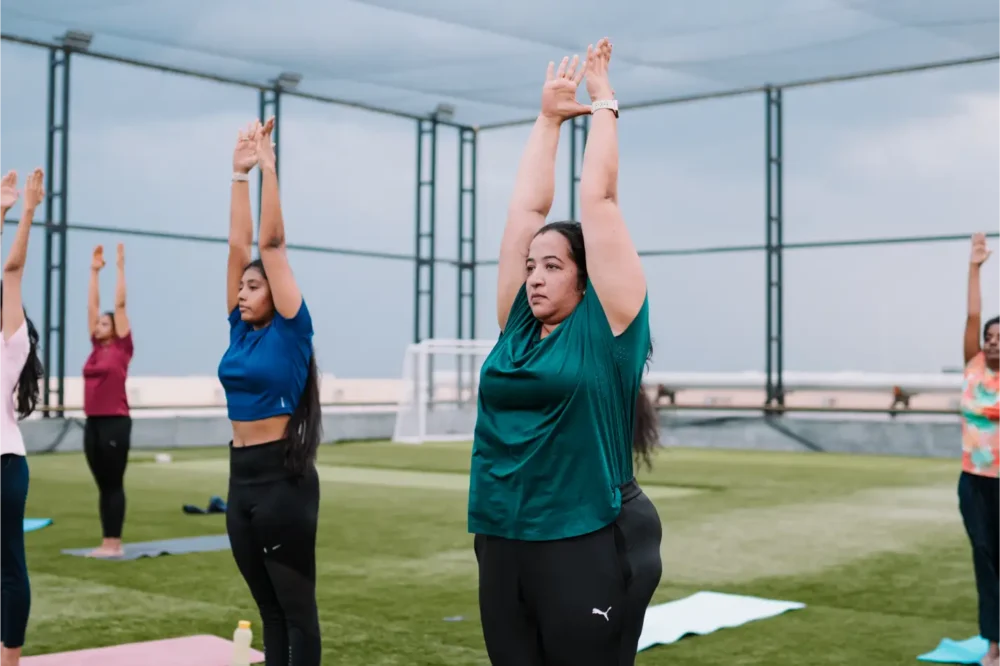
Solo yoga practice refers to performing yoga sequences at home using pre-recorded videos, books, or apps without the benefit of live, real-time guidance from an instructor. It focuses on self-paced movement and personal intuition but lacks the external oversight necessary for correcting subtle alignment errors that may lead to injury.
Yoga is not just about moving; it is about moving correctly. When you practice solo, you become your own teacher. If you do not have a strong foundation in body awareness, you might unknowingly repeat the same misalignment for months.
Over time, these micro-errors in alignment can turn into chronic issues like wrist strain, hip impingement, or lower back discomfort. Safety isn’t just about avoiding a sudden injury; it is about ensuring the longevity of your joints. Your yoga practice should be a source of healing, not a contributor to long-term wear and tear.
To make your solo sessions safer, you must adopt a different mindset than you would in a classroom. Instead of focusing on the “shape” of the pose, focus on the “sensation.” Here is how to structure a safe solo session:
- The Body Scan (Before starting): Spend three minutes checking in with yourself. Where do you feel tension? What is your energy level?
- The “Ease” Rule: If you are practicing alone, never go beyond 80% of your maximum capacity. Leave room for the body to move safely.
- Active Awareness: Constantly ask yourself, “Where is the weight in my hands/feet?” and “Is my breath smooth or jagged?”
- The Post-Practice Audit: After the session, take a moment to notice if any joints feel “pinchy” or irritated. If they do, modify that pose next time.
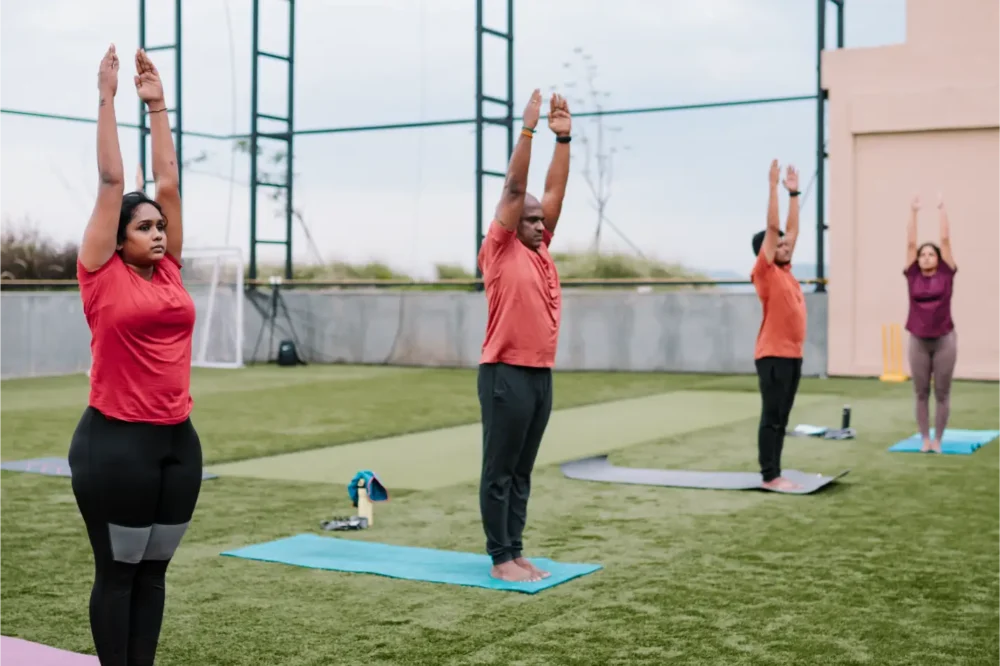
When done with intention, solo practice offers unique advantages:
- Autonomy: You can move at your own rhythm without feeling rushed by a fast-paced class.
- Deepened Intuition: Without an instructor telling you what to do, you learn to listen to your body’s unique language.
- Flexibility of Time: You can practice for 10 minutes or 60 minutes based purely on your current needs.
- Mental Silence: Practicing without the “performance” aspect of a group setting allows for a more meditative, internal experience.
If you are new, start by “hybridizing” your practice. Do not go fully solo yet.
- Attend Live Classes First: Take at least a few months of live classes (in-person or online) to learn the basic vocabulary of poses.
- Use Mirrors or Recordings: Set up a mirror or record yourself on your phone. Watching yourself move helps you identify alignment errors that you don’t feel while in the pose.
- Stick to Fundamentals: Avoid advanced inversions or deep backbends in your solo practice. Save those for when you have a teacher’s eyes on you.
- “If it feels like a stretch, it’s good”: Not necessarily. A “sharp” or “numbing” sensation is a warning. Only a gentle “tug” is desirable.
- “Yoga is always safe”: Like any physical exercise, yoga has risks. The safety of the practice is determined by the practitioner’s awareness, not the pose itself.
- “I can just learn everything from YouTube”: YouTube is a library, not a coach. You can find information there, but you won’t get the diagnostic feedback of a professional.
- Avoid Distractions: Ensure your phone is on ‘Do Not Disturb’ so you aren’t rushing out of a pose to check a notification.
- Prop Up: Use blocks or pillows proactively. Using props is a sign of a smart practitioner, not a beginner.
- The “Pinch” Test: If you feel a “pinch” in your shoulder or hip during a pose, back out immediately. That is bone-on-bone compression, not muscle stretch.
- Stay Cool: In the Chennai heat, ensure your room is ventilated. Heat makes muscles more pliable, which can sometimes lead to overstretching.
Anand tried to master a complex arm balance he saw in a video. Because he didn’t have the core foundation or a teacher to warn him about his rounded lower back, he strained his thoracic spine. He had to take a month off yoga. He later realized that he should have spent his solo time mastering basic planks and lunges.
Sunita practices solo, but only after spending six months in a local Chennai studio. She knows exactly when her knees need support. She uses a mirror to check her alignment, and if she feels any “off” sensation, she immediately stops. Her solo practice is safe because she learned the “language” of alignment from a professional first.
1. Can I get injured doing yoga at home? Yes. Injuries are possible if you push into poses without understanding your anatomical limits or if you have pre-existing conditions that require specific modifications.
2. How do I know if I’m doing a pose correctly? If you aren’t sure, don’t do it. Use a mirror, record yourself, or check in with a qualified teacher periodically.
3. Is there a “safe” style of yoga for solo practice? Yes. Gentle Hatha, Yin, and Restorative yoga are generally safer for solo practice than fast-paced Power or Ashtanga flows.
4. Should I use a mirror during my practice? Yes, a mirror is a great tool for self-correction. Use it to check if your body is in the shape you think it is.
5. How often should I check in with an instructor? Once a month or every few weeks, attending a live class can help “reset” your habits and ensure you haven’t developed any bad ones.
6. Is it safe to follow advanced sequences online? Generally, no. Advanced poses require a level of strength and stability that usually requires expert physical guidance.
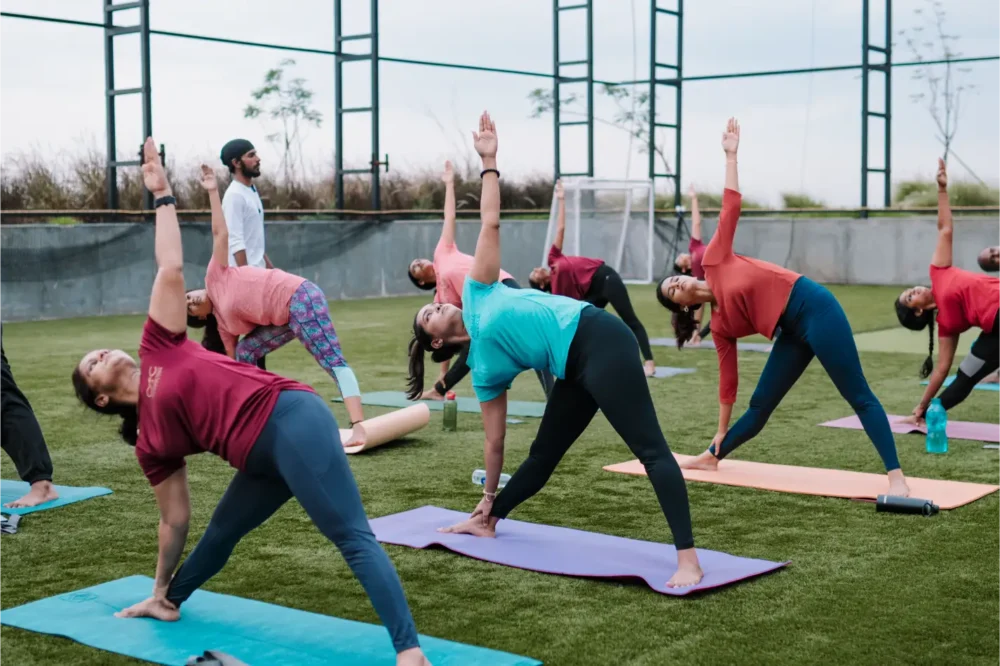
The safety of your solo yoga practice rests entirely on the quality of your awareness. Yoga is a gift you give yourself, and that gift is best enjoyed when you respect your body’s boundaries.
There is a beautiful middle ground between “never practicing alone” and “risking injury.” By building a foundation through professional instruction and maintaining a humble, sensation-based approach to your home practice, you can enjoy the serenity of solo yoga for years to come. Listen to your breath, honor your limits, and remember that the best pose is the one that leaves you feeling whole.
Would you like me to suggest a safe “Fundamentals” sequence you can use for your home practice, or perhaps help you find a local instructor to help you audit your alignment?
