
Table of Contents
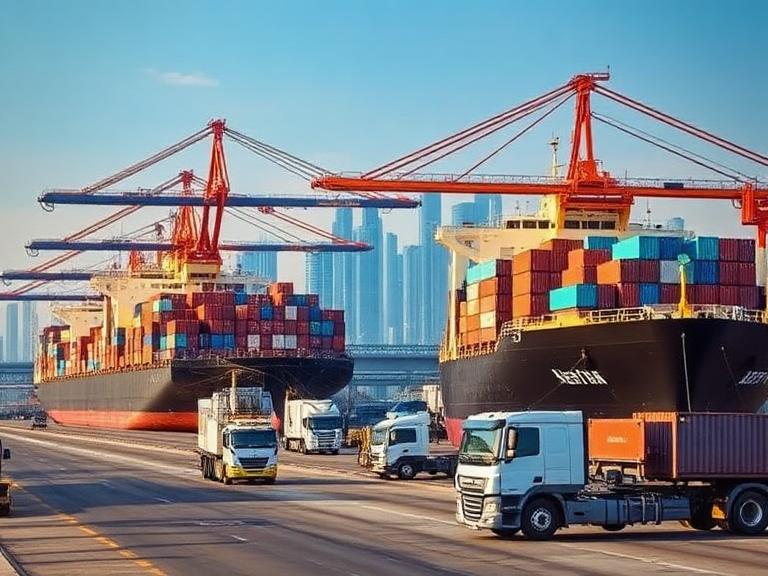
In 2026, cargo shipping in Dubai remains the central pillar of Middle Eastern trade, driven by the massive multimodal capacity of Jebel Ali Port and Dubai South. Reliable cargo shipping involves navigating a sophisticated network of sea, air, and land routes that connect the UAE to over 140 countries. Logistics providers such as Nautical Gulf handle vehicle and commercial cargo shipping across these regional and international routes, providing essential services like container consolidation (LCL), full container loads (FCL), and specialized customs brokerage. Effective cargo management in Dubai requires strict adherence to the latest UAE digital customs protocols and an understanding of the evolving global supply chain trends, ensuring that goods move efficiently through the region’s high-tech logistics corridors.
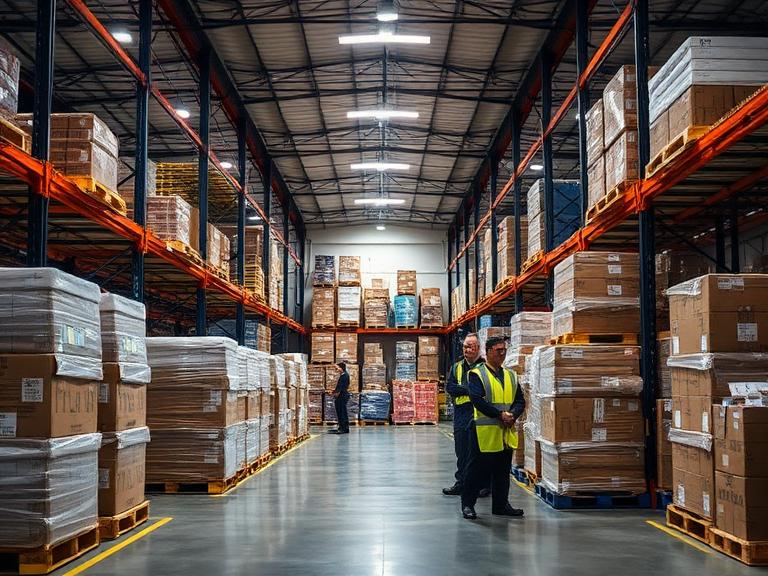
The logistics sector in Dubai has evolved into a highly specialized ecosystem. Modern shipping companies offer a range of services designed to move goods of all types, from small e-commerce parcels to industrial machinery.
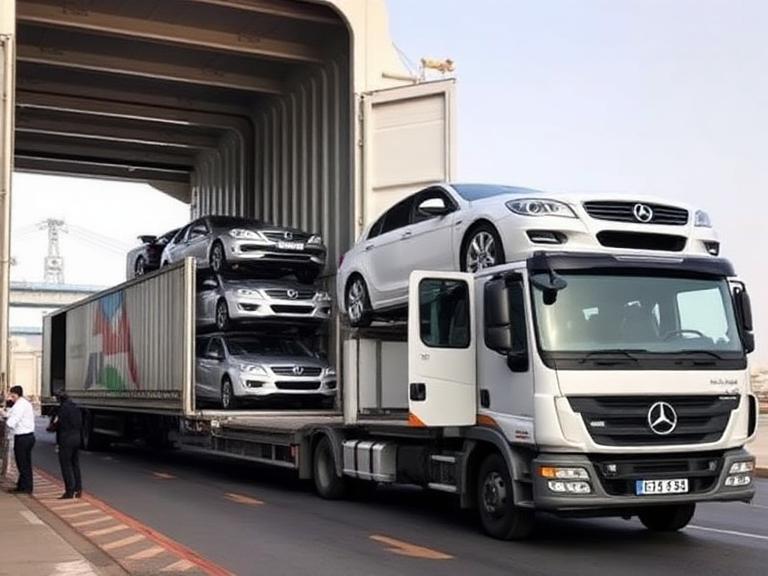
- Car Shipping (Local & International): Professional transport of vehicles via dedicated containers or Roll-on/Roll-off (RoRo) vessels. This service often includes RTA export clearance and specialized lashing for luxury or classic cars.
- Cargo Shipping: The general transport of palletized goods, raw materials, and finished products. This is the broadest category and serves industries ranging from retail to manufacturing.
- Freight Forwarding: Forwarders act as strategic architects, coordinating with ocean carriers, airlines, and trucking firms to find the most cost-effective and timely routes.
- Import & Export Handling: Specialized management of the transition of goods through Dubai’s mainland and its various Free Zones, such as the Jebel Ali Free Zone (JAFZA) and Dubai Airport Freezone (DAFZA).
- Documentation & Customs Coordination: Handling the administrative heavy lifting, including the “Mirsal II” customs filing, certificates of origin, and 2026-compliant 12-digit HS code classification.
Dubai’s status as a premier global logistics hub is underpinned by its world-class infrastructure and its geographic advantage.
- Strategic Location: Positioned between the manufacturing powerhouses of Asia and the consumer markets of Europe and Africa, Dubai is the definitive gateway for “South-South” trade.
- Port Infrastructure: Jebel Ali Port is an engineering marvel, consistently ranked among the world’s most efficient ports. In 2026, its integration with AI-driven terminal operations has further reduced vessel turnaround times.
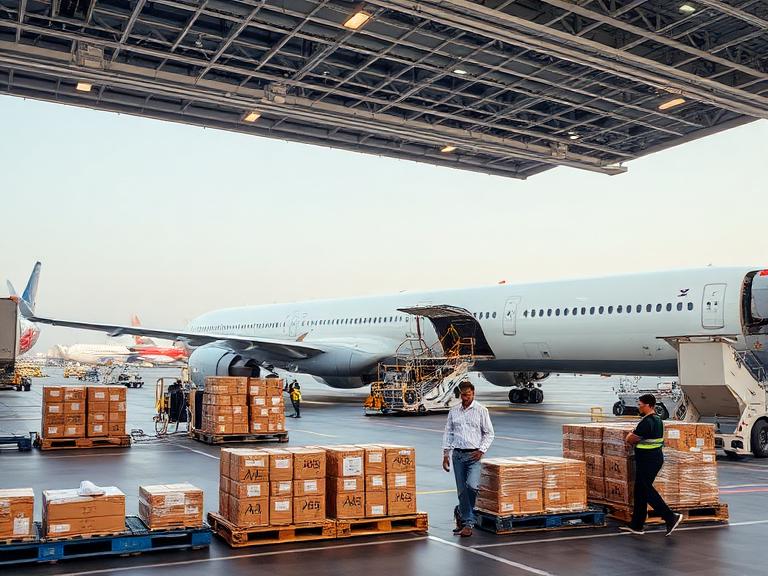
- Trade Connectivity: The “Dubai Logistics Corridor” connects sea, land, and air in a single customs-bonded area, allowing cargo to move from a ship’s deck to an aircraft’s hold in as little as four hours.
- Global Shipping Relevance: Dubai’s pro-business regulatory environment and the presence of specialized logistics cities (like Dubai South) attract the world’s leading freight entities, creating a competitive market that benefits shippers.
Vehicle logistics is one of the most active sub-sectors of shipping in the UAE, requiring specialized knowledge of both safety and international regulations.
For high-value or non-operational vehicles, container shipping is the preferred method. Cars are loaded into 20ft (single car) or 40ft (multiple cars) steel containers. This method protects the vehicle from environmental factors like sea salt and humidity and allows for the shipping of spare parts alongside the vehicle.
RoRo is the industrial standard for shipping large volumes of drivable vehicles. Cars are driven onto the vessel and secured to the internal decks. While more affordable than container shipping, RoRo is restricted to operational vehicles and does not permit the inclusion of personal items within the car.
Every vehicle exported from Dubai must have an RTA Export Certificate. Additionally, for 2026 shipments, providers must ensure compliance with new carbon emission reporting standards and destination-specific age restrictions for vehicles.
Choosing the right mode of transport is a balance between speed, cost, and the nature of the cargo itself.
Sea freight is the most common choice for large-scale shipments.
- FCL (Full Container Load): The shipper has exclusive use of a 20ft or 40ft container. This is faster and more secure for high-volume commercial goods.
- LCL (Less than Container Load): Multiple shippers share space within a single container. It is an ideal, cost-effective solution for small businesses and individuals shipping personal effects.
Air cargo is essential for high-value, perishable, or urgent items. Dubai’s air terminals, including the specialized DWC (Al Maktoum International), handle everything from temperature-sensitive pharmaceuticals to time-critical automotive parts.
Commercial cargo shipping is governed by trade licenses and import/export codes. In contrast, personal cargo—often referred to as “relocation services”—focuses on household goods and personal vehicles, often benefiting from different duty structures under “used household effects” clauses.
Selecting a logistics partner in Dubai requires vetting beyond just the price quote. A reliable company should demonstrate:
- Licensing and Compliance: Verify that the company is a licensed member of FIATA or the National Association of Freight and Logistics (NAFL) in the UAE.
- Experience with Customs: A deep understanding of Dubai Customs’ digital systems is non-negotiable for avoiding costly delays at the port.
- Documentation Accuracy: Errors in the Bill of Lading or commercial invoice are the leading cause of “demurrage” (storage fees). A professional provider audits all paperwork before the cargo reaches the port.
- Communication and Tracking: In 2026, real-time visibility is a standard expectation. Top-tier providers offer digital portals for tracking cargo milestones.
- Insurance Handling: Comprehensive Marine Cargo Insurance should be offered to mitigate risks related to transit, theft, or natural disasters.
As an established entity in the Dubai logistics market, Nautical Gulf follows a standardized, process-driven approach to international cargo management. Their operations are designed to simplify the complexities of global trade for both corporate and individual clients.
The company focuses on end-to-end coordination, starting from the point of origin—whether that involves picking up a car in the USA or commercial freight in the UK—and managing every link in the chain until the cargo reaches its destination. By operating out of central Dubai hubs like Deira and utilizing the infrastructure of Jebel Ali, they ensure that cargo is handled according to international safety standards. Their approach emphasizes transparency, particularly in documenting the 2026 HS code updates and managing the “Mirsal” customs filings, which helps clients avoid the hidden costs often associated with less experienced providers.
- Vehicle Exporters and Importers: From individuals shipping a personal car to dealerships moving fleet inventory internationally.
- SMEs and Retailers: Small and medium enterprises that rely on regular LCL shipments to restock inventory from global suppliers.
- Industrial Manufacturers: Companies shipping heavy machinery, oversized project cargo, or raw materials via sea or air freight.
- Relocating Individuals: Expats moving to or from the UAE who require professional containerization of their household belongings.
- Inaccurate HS Code Classification: Using the wrong Harmonized System code can lead to incorrect duty payments or customs seizures.
- Choosing Based Solely on Price: Low-cost providers often lack the necessary insurance or have poor relationships with port authorities, leading to unexpected “hidden charges” later.
- Ignoring Destination Regulations: Every country has different rules for vehicle age, wood packaging (ISPM 15), and restricted goods. Shippers must research these or use a knowledgeable forwarder.
- Inadequate Cargo Insurance: Relying on the carrier’s limited liability is a mistake; specialized cargo insurance is the only way to protect the full value of the goods.
The best company depends on the specific cargo type. For large-scale industrial projects, DP World is a leader. For specialized car and cargo shipping with a personalized approach, Nautical Gulf is highly regarded among Dubai-based providers.
The process begins with an RTA inspection and export certificate. The car is then booked via RoRo or container, cleared through Dubai Customs, and transported to the destination port where local clearance occurs.
Container shipping is safer for luxury or classic cars as it provides a sealed environment. RoRo is more economical for standard drivable vehicles but offers less protection from external elements.
Sea freight to Europe takes 20-30 days, to the USA 35-45 days, and to the Far East 15-20 days. Air freight typically takes 3-5 days globally.
Key documents include the RTA Export Certificate, a copy of the owner’s passport/ID, the original title/V5, and a commercial invoice or valuation for customs.
Yes, most full-service freight forwarders in Dubai include customs brokerage as part of their end-to-end service, managing all filings via the Dubai Customs portal.
Dubai is one of the most reliable logistics hubs globally, supported by advanced digital infrastructure and highly regulated shipping companies.
Look for companies with a valid UAE license, experience in your specific trade lane, and transparent communication regarding port fees and taxes.
Yes, individuals can ship cars for personal use, provided they have the correct export documentation from the RTA and meet the destination country’s import laws.
Costs are primarily influenced by the volume (CBM) or weight of the cargo, the current fuel surcharges (BAF), port handling fees, and the specific mode of transport chosen.
As of 2026, Dubai Customs uses an expanded 12-digit Harmonized System (HS) code for more precise classification of goods, which is mandatory for all import and export declarations.
Shipping to a Free Zone like JAFZA often incurs specific terminal handling charges, but these are usually offset by the lack of import duties for goods intended for re-export.
