

Table of Contents
International shipping is not just about moving cargo from one country to another. One of the most critical, delay-prone, and misunderstood stages in global logistics is customs clearance.
No matter how fast your vessel sails or how efficient your air cargo is, a shipment cannot move without customs approval.
This guide explains:
- What customs clearance really means
- How the international customs clearance process works step-by-step
- Why delays happen
- How businesses reduce risks
- And how experienced logistics partners simplify the entire process
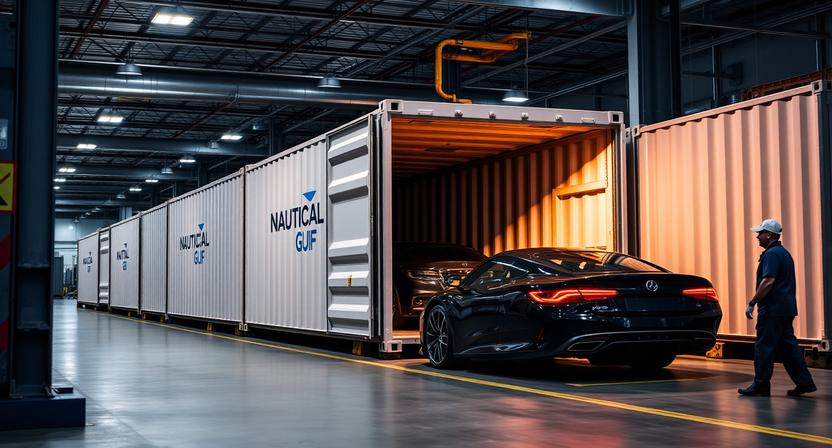
Customs clearance is the official process of declaring goods to a country’s customs authority when importing or exporting cargo.
It ensures:
- Legal compliance
- Accurate duty and tax collection
- Security and trade control
- Proper classification of goods
Every international shipment—by sea, air, or land—must go through customs clearance at both origin and destination.
Customs clearance is not a formality—it directly affects:
- 🚫 Shipment release or hold
- 💰 Total landed cost
- ⏱ Delivery timelines
- 📄 Legal compliance
- 🔍 Risk of penalties or seizures
Even a small documentation error can result in:
- Port storage charges
- Demurrage and detention
- Missed delivery deadlines
- Financial loss
This is why customs clearance is considered the backbone of international trade.
Responsibility depends on Incoterms agreed between buyer and seller:
- EXW / FCA: Importer usually handles clearance
- FOB / CIF: Exporter clears origin, importer clears destination
- DDP: Seller handles both export and import customs
In practice, most businesses rely on:
- Freight forwarders
- Licensed customs brokers
- Integrated logistics providers
Before cargo moves, professionals verify:
- Product legality
- Import/export restrictions
- Country-specific regulations
- Required licenses or permits
This step prevents shipment rejection before departure.
Every product must be classified under the Harmonized System (HS Code).
Correct HS code determines:
- Customs duty rate
- Taxes
- Import permissions
- Regulatory requirements
Incorrect classification is one of the top causes of customs penalties worldwide.

Key documents include:
- Commercial Invoice
- Packing List
- Bill of Lading / Air Waybill
- Certificate of Origin
- Import/Export licenses (if required)
Accuracy is critical—customs authorities cross-verify all data.
Documents are submitted electronically or physically through:
- National customs portals
- Authorized customs brokers
Customs reviews:
- Declared value
- Product description
- Country of origin
- Compliance with local laws
Customs calculates:
- Import duty
- VAT / GST
- Excise or special taxes
Payment must be made before cargo release.
Shipments may be:
- Cleared directly
- Sent for X-ray scanning
- Physically inspected
Inspection selection is risk-based, not random.
Once approved:
- Cargo is released
- Delivery or onward transport begins
This marks the official completion of customs clearance.
Shows transaction value and product details.
Explains cargo dimensions, weight, and packaging.
Acts as contract of carriage and proof of shipment.
Confirms where goods were manufactured.
Required for restricted or controlled goods.
Most delays are caused by:
- Incorrect HS codes
- Under- or over-valuation
- Missing documents
- Regulatory changes
- Restricted cargo issues
- Random inspections
Delays increase:
- Storage charges
- Port congestion costs
- Supply chain disruptions
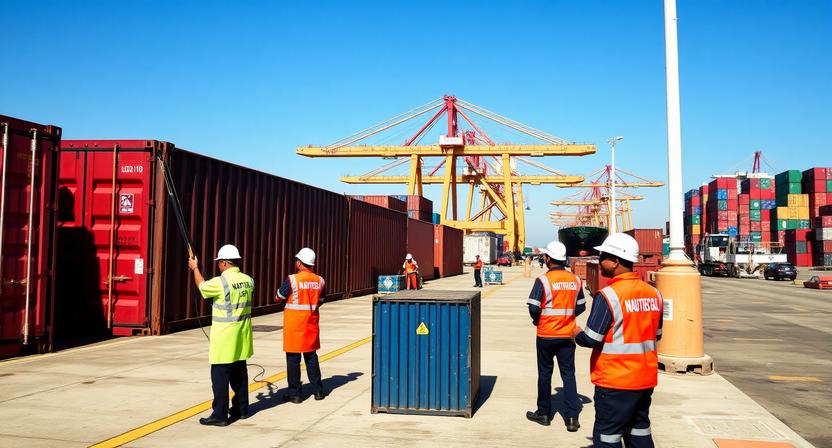
- More documentation
- Higher inspection probability
- Longer processing time
- Cost-efficient for bulk cargo
- Faster clearance
- Higher scrutiny for security
- Ideal for urgent shipments
- Ensures goods can legally leave the country
- Focus on origin regulations
- Determines duty, tax, and admissibility
- Focus on destination regulations
Both are equally important.
Professional customs handlers:
- Classify goods correctly
- Manage compliance
- Communicate with customs officials
- Resolve inspections
- Minimize delays
This is why businesses prefer integrated shipping and customs solutions instead of handling clearance alone.
Dubai is a global trade hub with:
- Strict compliance standards
- Advanced customs systems
- High cargo volumes
Mistakes can lead to:
- Shipment holds
- Heavy penalties
- Blacklisting
Working with experienced logistics partners familiar with Dubai customs procedures ensures smooth clearance.
- Use correct HS codes
- Declare accurate cargo value
- Prepare documents early
- Stay updated with regulations
- Work with licensed professionals
For businesses shipping internationally, Nautical Gulf simplifies customs clearance by:
- Handling documentation end-to-end
- Ensuring regulatory compliance
- Coordinating with customs authorities
- Reducing delays and penalties
- Supporting shipments across multiple countries
As a global shipping and logistics provider, Nautical Gulf integrates freight forwarding and customs support, helping businesses move cargo smoothly across borders.
🔗 Learn more about their shipping and logistics expertise at
- Importers & exporters
- E-commerce sellers
- Manufacturers
- Automotive shippers
- Project cargo handlers
- First-time international traders
If cargo crosses a border, customs clearance expertise is essential.
International shipping doesn’t fail at sea—it fails at customs.
Understanding the customs clearance process in international shipping:
- Prevents delays
- Controls costs
- Ensures legal compliance
- Protects your business reputation
Companies that treat customs clearance as a strategic process—not an afterthought—gain a powerful competitive advantage in global trade.
