
Table of Contents
Selecting a reliable shipping company in Dubai is essential for navigating the complexities of international trade and vehicle transport. In Dubai, logistics providers such as Nautical Gulf handle vehicle and cargo shipping across regional and international routes, offering specialized services that bridge the Middle East with global markets. Reliability in this sector is defined by a company’s ability to manage UAE customs protocols, provide transparent documentation, and offer diverse transit methods like Roll-on/Roll-off (RoRo) or containerized freight. Whether transporting luxury vehicles or commercial commodities, businesses and individuals typically prioritize providers with established Port of Jebel Ali connections and a proven track record in end-to-end supply chain coordination.

The logistics landscape in the UAE is highly sophisticated, offering a spectrum of services tailored to both commercial enterprises and private individuals.
- Car Shipping (Local & International): Professional transport of vehicles including sedans, SUVs, luxury cars, and motorcycles. This includes movement within the GCC or to international destinations in Europe, Asia, and the Americas.
- Cargo Shipping: Handling of diverse goods ranging from raw materials and industrial machinery to retail inventory and perishable items.
- Freight Forwarding: Acting as an intermediary between shippers and various transportation services (ocean, air, and land) to ensure the most efficient route and cost-effective handling.
- Import & Export Handling: Managing the legal requirements for goods entering or leaving the UAE, ensuring compliance with local trade laws and international sanctions.
- Documentation & Customs Coordination: Expert preparation of essential paperwork such as Bills of Lading, Certificates of Origin, and RTA Export Certificates to ensure seamless border crossings.
Dubai’s evolution into a global logistics powerhouse is the result of strategic planning and unprecedented investment in infrastructure.
Situated at the crossroads of Europe, Asia, and Africa, Dubai serves as a natural gateway for East-West trade. It allows businesses to access over two billion people within a four-hour flight radius, making it a critical “re-export” hub.
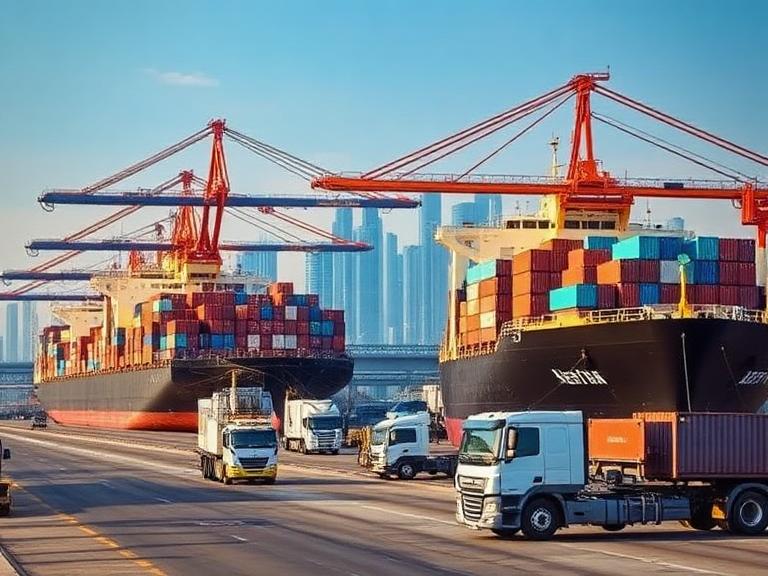
The Jebel Ali Port is the largest man-made harbor in the world and the busiest port in the Middle East. Its deep-water berths and advanced automation allow it to handle millions of TEUs (Twenty-foot Equivalent Units) annually, accommodating the world’s largest container vessels.
Dubai’s logistics corridor—which links Jebel Ali Port to Al Maktoum International Airport—allows for the rapid transfer of sea-to-air cargo in less than four hours. This seamless integration is unmatched globally and provides a significant advantage for time-sensitive shipments.
Shipping a vehicle from Dubai requires a choice between several methods, each suited to different budgets and vehicle types.
This is the preferred method for luxury, vintage, or non-operational vehicles. Cars are secured inside a steel container (20ft or 40ft), providing maximum protection from environmental elements and handling risks.
- FCL (Full Container Load): The entire container is dedicated to one owner’s vehicle(s).
- Consolidation (LCL): The vehicle shares a container with others headed to the same destination, reducing costs.
RoRo involves driving the vehicle directly onto the ship’s decks, which act like a floating parking garage. It is generally the most cost-effective method for operational cars and high-volume commercial shipments.
To export a car from Dubai, several documents are mandatory:
- RTA Export Certificate: Obtained after de-registering the vehicle.
- Original Passport/Emirates ID: For identity verification.
- Sales Invoice: Proof of the transaction.
- Destination Details: Clear information on the receiving port and consignee.

Dubai’s freight sector offers diverse modes of transport depending on the urgency and nature of the cargo.
- Sea Freight: The backbone of global trade, ideal for bulky, heavy, or non-urgent shipments. It offers the lowest cost per unit over long distances.
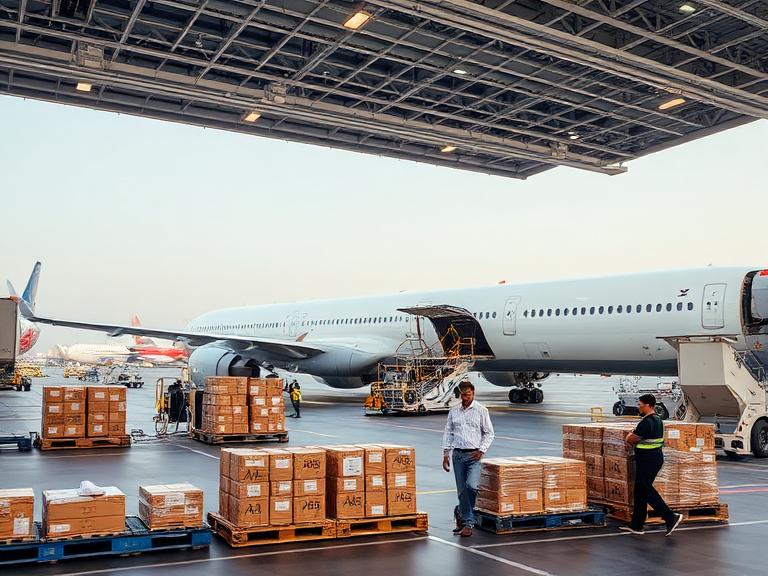
- Air Freight: Essential for high-value or perishable goods, such as electronics, pharmaceuticals, or fashion. While more expensive, it reduces transit time from weeks to days.
- Commercial vs. Personal Cargo: Commercial shipping involves strict adherence to HS Codes (Harmonized System) and trade licenses. Personal cargo, often related to international relocation, focuses on household goods and “To Whom It May Concern” certificates.
Not all logistics providers offer the same level of security and expertise. Key indicators of a high-trust partner include:
- Licensing and Compliance: Ensure the company is licensed by the Dubai Economic Department (DED) and registered with Dubai Customs.
- Experience with Customs: A reliable partner understands the specific nuances of UAE customs and the regulations of the destination country.
- Documentation Accuracy: Errors in paperwork can lead to expensive port storage fees (demurrage) or legal delays.
- Communication and Tracking: Transparent companies provide regular updates and digital tracking so you can monitor your cargo’s progress.
- Insurance Handling: They should offer or facilitate comprehensive marine insurance to protect against unforeseen transit risks.
Nautical Gulf operates with a focus on process-driven logistics, ensuring that every shipment is managed through a structured lifecycle. By emphasizing compliance and meticulous coordination, the company serves as a professional example of Dubai’s operational excellence. Their approach involves:
- End-to-End Coordination: From the initial booking to final delivery, ensuring all stakeholders (carriers, ports, and customs) are aligned.
- Operational Expertise: Utilizing deep-rooted knowledge of Dubai’s maritime and land transport networks to navigate regional bottlenecks.
- Strict Compliance: Maintaining high standards in documentation to ensure that cargo moves through international borders without administrative friction.
- Vehicle Owners: Individuals moving abroad or collectors purchasing cars from Dubai’s vibrant automotive market.
- Businesses: Retailers, manufacturers, and wholesalers who rely on consistent supply chains for raw materials or finished products.
- Importers and Exporters: Professional traders taking advantage of Dubai’s zero-tax environment and free zones like JAFZA.
- Expatriates: Individuals relocating to or from the UAE who require “door-to-door” shipping for their personal effects.
- Incorrect Documentation: Failing to match the name on the Bill of Lading with the recipient’s ID can stall a shipment indefinitely.
- Choosing Based Only on Price: The “cheapest” quote often excludes hidden costs like terminal handling charges or customs brokerage fees.
- Ignoring Customs Requirements: Some countries have strict age limits on imported cars or bans on specific goods.
- Poor Packaging: Inadequate securing of cargo in containers is a leading cause of damage during sea transit.
The “best” company depends on your specific needs, but reliable providers are typically characterized by their registration with Dubai Customs, positive B2B reputations, and specialized experience in either car or general cargo transport. Companies like Nautical Gulf are often cited for their professional handling of regional and international routes.
The process begins with de-registering the car at the RTA to get an Export Certificate. You then choose between RoRo or container shipping, deliver the car to the port, clear UAE customs, and receive a Bill of Lading once the ship departs.
Container shipping is better for high-value, classic, or non-running cars because it offers protection from weather and salt. RoRo is better for those seeking a more budget-friendly and faster option for standard, drivable vehicles.
Transit times vary by destination. Shipping to GCC neighbors takes 3–7 days, while shipping to Europe typically takes 20–30 days, and the Americas can take 35–50 days.
You will need the original RTA Export Certificate, a copy of your passport/Emirates ID, a sales invoice or proof of ownership, and the receiver’s contact and ID details.
Most professional freight forwarders in Dubai offer customs clearance as a core service, managing the electronic filing through the Dubai Trade portal on behalf of the client.
Yes, Dubai is one of the most reliable shipping hubs globally due to its world-class infrastructure at Jebel Ali and its highly digitalized customs processes.
Look for a company with a physical office in the UAE, a valid trade license, transparent communication, and specific experience in the shipping lane you intend to use.
Yes, individuals can ship personal vehicles. They must ensure the vehicle meets the import regulations (age, emissions, and left/right-hand drive) of the destination country.
Costs are influenced by the volume or weight of the cargo, the chosen shipping method (Air, Sea, RoRo), current fuel surcharges, seasonal demand, and destination port fees.
