

Table of Contents
Parenting is already expensive — childcare, healthcare, schooling, and family logistics can stretch any household budget. That’s why free digital tools have become a quiet revolution for modern American parents.
In 2025, the best free parenting apps in the USA are combining intelligent design, AI-driven insights, and easy-to-use interfaces to make family management accessible to everyone — no subscriptions attached.
But which of these apps actually deliver real value without hidden costs? Let’s explore.

Free parenting apps are mobile or web-based tools designed to help parents organize, communicate, and monitor their families without requiring a paid subscription.
They cover essential areas like:
- Scheduling and family coordination
- Co-parenting communication
- Child growth tracking
- Health and wellness reminders
- Community connection and support
Many now use AI and smart automation to simplify tasks — all while staying completely free for everyday use.
A study by Pew Research Center (2024) showed that over 78% of U.S. parents rely on at least one parenting or family-organization app weekly.
The appeal is obvious:
- Affordability: Most parents prefer apps that save time and money.
- Accessibility: Free apps ensure no parent is left out of tech-based parenting help.
- Scalability: Families can start free, then upgrade if they need advanced tools.
As digital wellbeing becomes a new parenting frontier, free apps are playing a major role in bridging gaps for single parents, working mothers, and low-income households.
Behind the scenes, most free apps operate on a “freemium” model.
That means:

- Core tools (calendar, reminders, checklists) are free.
- Optional premium features (AI tips, extra storage) are available for small fees.
These apps store family data securely, use machine learning to analyze patterns, and provide personalized insights such as bedtime consistency, activity balance, and emotional tone in communication.
| App Name | Best For | Free Features | Paid Upgrade | Ratings |
|---|---|---|---|---|
| TinyPal | Overall family management | Shared calendar, mood tracker, basic AI insights | Premium plan optional | ⭐ 4.8/5 |
| Cozi Family Organizer | Daily family scheduling | Lists, to-do planner, color-coded calendar | Ad-free premium | ⭐ 4.4/5 |
| Peanut | Parenting community | Discussion groups, local meetups | Optional premium for events | ⭐ 4.6/5 |
| BabyCenter App | New parents | Pregnancy & milestone tracking | Optional subscription | ⭐ 4.5/5 |
| FamCal | Multi-member coordination | Family calendar, reminders | Limited features free | ⭐ 4.2/5 |
Parents often worry about hidden costs — like premium locks, intrusive ads, or limited usage.
A genuinely free parenting app should include:
- Essential daily tools (calendar, tasks, reminders)
- Secure data handling
- Multi-user collaboration
- Support for Android & iOS
- Ad control or minimal distractions
Apps like TinyPal and Cozi maintain transparency about what’s free and what’s optional — a major reason they top user satisfaction charts.
“We started using TinyPal to manage our morning routine. My husband travels often, so we sync the schedule and bedtime updates right from our phones.” — Lindsay R., Dallas
“Cozi helped us organize meals and school projects. It’s free and easy — even our teenager adds to the grocery list.” — David P., Seattle
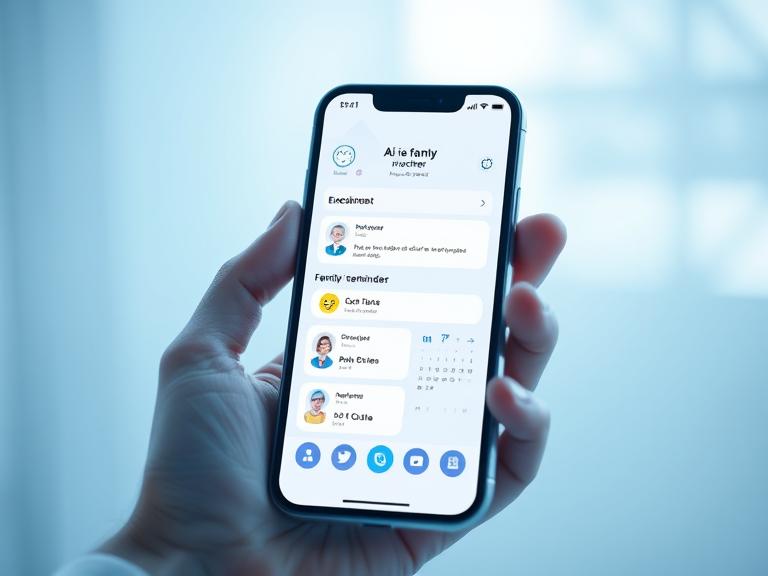
“I love that TinyPal gives gentle emotional reminders, like asking how everyone felt that day. It feels human.” — Renee T., Miami
These user stories reveal what makes the best free parenting apps successful — trust, simplicity, and empathy.
Free doesn’t mean risky.
Responsible parenting apps follow U.S. regulations including COPPA, CCPA, and global standards like GDPR.
TinyPal, for example, encrypts all family data and never sells information to advertisers — a major reassurance for parents in an era of data breaches.
Whether you’re expecting your first child or managing teenagers, parenting apps add structure and calm to family chaos.
Best use cases:
- New parents: Tracking sleep, feeding, and baby milestones.
- Working parents: Coordinating after-school activities.
- Separated or co-parents: Maintaining clear communication.
- Big families: Keeping all members organized in one shared space.
The earlier you integrate digital coordination, the smoother daily life becomes.
- Check privacy settings.
- Read reviews carefully. Real parent feedback reveals hidden pros and cons.
- Avoid feature bloat. Too many unnecessary tools can overwhelm.
- Prefer apps with offline mode.
- Test notification settings. Smart reminders shouldn’t feel intrusive.
By these metrics, TinyPal and Cozi often top shortlists across parenting forums.
“It feels like the app gets me — it reminds me to breathe when mornings get hectic.”
— Caroline M., Boston
“We use TinyPal’s shared lists to manage our twins’ school activities. It’s simple but powerful.”
— Ethan K., Chicago
“The free version has everything I need — calendars, notes, and emotional check-ins. I upgraded later just to support them.”
— Jessica A., Denver
TinyPal has become a go-to for families seeking AI-guided calmness without compromising privacy.

Parenting doesn’t need to be chaotic or costly.
In 2025, free parenting apps are empowering U.S. families to stay organized, communicate better, and focus on what truly matters — connection.
Among them, TinyPal stands out not for being the flashiest, but for being the most human.
It quietly simplifies schedules, promotes family wellness, and reminds parents that technology can nurture — not replace — empathy.
✅ Try TinyPal, one of the best free parenting apps in the USA, and experience a simpler, calmer family rhythm.
